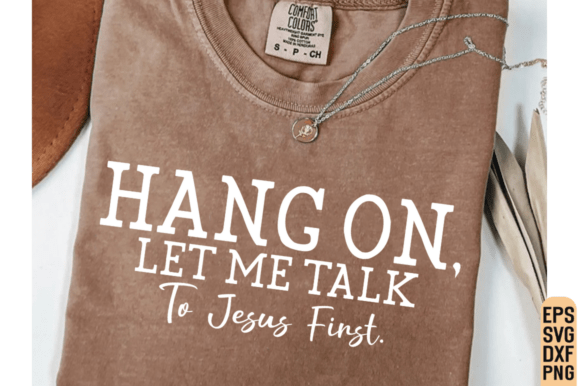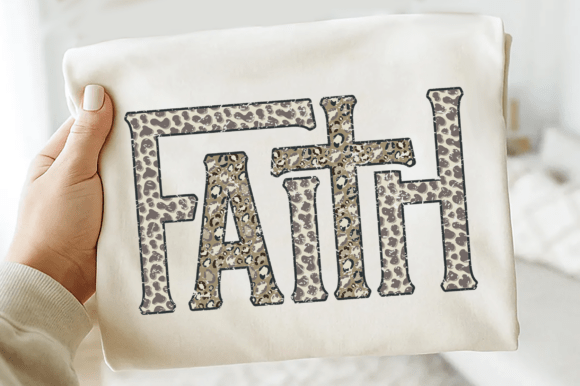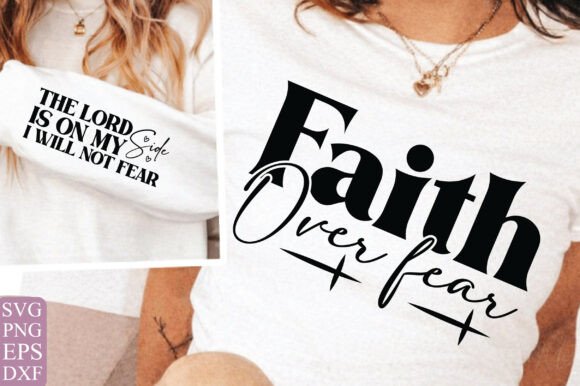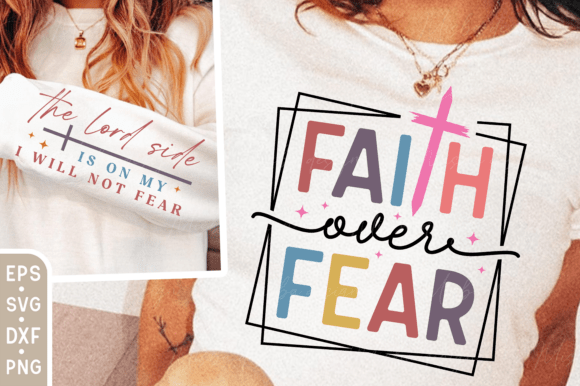
Faith Based Christian Designs: A Stitcher's Honest Take
I have been digitizing and stitching custom orders long enough to know that not every pretty graphic makes a good embroidery project. When I first opened Faith Based Christian Designs, I was looking at a set of digital files built for cutting machines, not stitch files. That immediately told me something important. If you are an embroidery designer, an Etsy seller, or a small shop product maker hoping to turn these into stitched goods, you need to approach them with a clear head and a practical plan. Here is what I found after testing them out for real project use.
First Look: Clean Layout and a Quiet Confidence
My first impression of Faith Based Christian Designs was that it carries a calm, steady mood. The shapes are balanced without feeling crowded. The layout respects negative space, which is a relief because dense, cluttered graphics rarely translate well into thread. The visual personality leans toward classic and reverent rather than trendy or loud. That matters when you are making something for a customer who wants a personalized gift or a piece of custom apparel that feels sincere. The design does not try to shout. It sits quietly and lets the message carry the weight. For handmade product work, that kind of restraint builds trust.
I could see this machine embroidery design working naturally on a linen tote bag destined for a church retreat or on a soft sweatshirt embroidery project for a family member who values understated faith statements. The detail level is moderate. There are no impossibly thin lines or micro lettering that would force you into a tiny hoop. The shapes are readable at a distance, which is a good sign for commercial embroidery where you need the design to hold its clarity from across a room.
How This Design Performs in Real Stitching Situations
I tested Faith Based Christian Designs in a few different scenarios because I wanted to see where it thrived and where it needed adjustment. The first test was on a midweight cotton sweatshirt. I used a medium hoop and a tear-away stabilizer. The design stitched out cleanly because the open areas prevented stitch density from building up in ways that cause puckering. The fill stitch areas sat flat, and the edges held their shape without distortion. That is exactly what I want when I am preparing a finished product for a customer.
The second test was a tote bag design made from heavy canvas. Here the design really showed its versatility. The sturdy fabric handled the satin stitch elements well, and the running stitch details added just enough texture without overwhelming the overall look. I could see this same approach working beautifully on an embroidered patch or an apron for a small bakery that wants to carry a faith-based theme without being overly promotional.
I also tried it on a baby embroidery project, a soft cotton onesie. Because the design is not overly dense, it did not stiffen the fabric too much. That is a critical consideration for anything going on a baby garment or a delicate pillow cover. The design kept its softness and flexibility, which is exactly what you want when the item will be washed frequently.
Where You Should Use This Design Carefully
No design is perfect for every surface, and Faith Based Christian Designs is no exception. If you are working with a small hoop size, you may need to scale the design down, but do not go too small. The lettering and any internal details can lose their readability if you shrink them past a certain point. Test a scaled version on scrap fabric first before you commit to a final product.
On stretchy fabric like lightweight jersey or ribbed knit, the design can pull if the stabilizer is not robust enough. I recommend a cut-away stabilizer for anything with stretch to keep the stitch lines crisp. Dark fabric is another area to watch. The design relies on contrast and clean edges, so make sure your thread colors stand out clearly. A white or light gold thread on a deep navy or black background will read well. Pale pastels on dark fabric may disappear and weaken the impact.
Curved surfaces like caps and hats demand extra attention. The design has balanced proportions, but placing it on a curved dome requires careful hooping and a firm stabilizer to prevent distortion. I would also think twice before putting it on heavily textured fabrics like boucle or thick fleece unless you are willing to test and adjust. The details can get lost in the nap.
For items that need frequent washing, like kitchen towels or blankets, the design holds up well because the stitch density is not excessive. Lighter density means fewer places for thread to fray or loosen over time. That is a practical advantage when you are selling to customers who expect their handmade product to last.
Visual Appeal, Product Value, and Customer Trust
One of the reasons I appreciate Faith Based Christian Designs is that it does not look like a generic clip art drop. It has a considered layout that feels intentional. When you finish a project and hand it to a customer, that sense of intention translates directly into perceived value. A well-balanced design elevates a simple sweatshirt into something that feels like a boutique piece. It makes the handmade product look like it was professionally designed, not hastily assembled.
For craft business owners and creative entrepreneurs, that visual polish matters. It affects how customers perceive your brand and whether they trust you to deliver quality. I have seen Etsy shops thrive simply because the maker chose design assets that communicated care and consistency. This design fits that mold. It is versatile enough to appear on a holiday embroidery gift, a wedding gift, or a personalized product for a church group, yet it holds its own as a standalone piece.
I also tested it in a printable mockup to see how it would read in product photos for an online listing. The design translated well to digital previews because the shapes are clean and the contrast is strong. That is a bonus for digital product sellers who need to show customers what the finished item will look like. A mockup that reads clearly leads to more confident purchases and fewer returns.
Practical Notes for Embroidery Designers and Shop Owners
If you plan to use Faith Based Christian Designs in your own work, here are the steps I recommend before you stitch anything for a client or for inventory.
- Test the design on scrap fabric first, especially if you plan to use it on a fabric type you have not worked with before. This is the single best way to catch tension issues or density problems early.
- Check your thread color contrast against the fabric. A simple black and white mockup printed from your software can help you see if the details will read clearly.
- Review the stitch density in your digitizing software if you convert the SVG or DXF into an embroidery file. The original Graphics format is not stitch data, so you will need to digitize it yourself or have it converted. Confirm that the density matches your fabric weight.
- Confirm your hoop size before you start. Do not assume the design fits your standard hoop. Measure it in your software and adjust the scale if needed.
- Inspect small details like narrow gaps or thin lines. These may need to be widened slightly to stitch cleanly, especially if you are stitching at a smaller scale.
- Compare the design on light and dark fabric backgrounds before you finalize thread choices. What works on white may disappear on charcoal.
- Use the proper stabilizer for your fabric type. For knit fabrics, use cut-away. For wovens, tear-away may work fine. For caps, use a stiff cut-away.
- Confirm the licensing terms before you use the design for commercial embroidery or sell the finished product. Since the purchase includes SVG and DXF files intended for cutting machines, check whether the license covers embroidery use and whether you can sell items made from the design. When in doubt, contact the seller directly.
These steps might sound basic, but I have seen too many makers skip them and end up with a hoop full of tangled thread and a disappointed customer. Taking the time to test and prepare is what separates a reliable small shop from one that struggles with consistency.
Final Thoughts on Using This Design in Real Projects
Faith Based Christian Designs is not a quick stitch-and-go file. It is a graphic that requires thoughtful conversion and careful preparation before it becomes a true embroidery project. But for the designer or small business owner willing to put in that work, the results are solid. The design carries a sincere mood that resonates with customers looking for personalized gifts and meaningful custom apparel. It works across a range of products from tote bags to sweatshirt embroidery to baby embroidery and beyond.
If you are an Etsy seller, a craft business owner, or a hobbyist who values designs that stitch cleanly and communicate clearly, this set is worth your attention. Just do not skip the prep work. Treat it like a raw material that needs your expertise to become something beautiful. That is where your skill as a designer and maker really shines.