Send Me Svg, Your 41 is Coming Svg,Jesus
When I first opened this file, I took a moment to sit with it before loading it into my embroidery software. That is something I have learned to do over years of testing designs for my own shop and for clients who trust me to vet digital assets before they invest production time. The title alone, Send Me Svg, Your 41 is Coming Svg,Jesus, tells you this is not a generic piece of clip art. It carries a voice, a personality, and a specific mood. As an experienced designer and embroidery product reviewer, I want to walk you through what this design actually feels like to work with, how it stitches out, and where it belongs in a real product lineup.
First Impressions: What This Design Brings to the Table
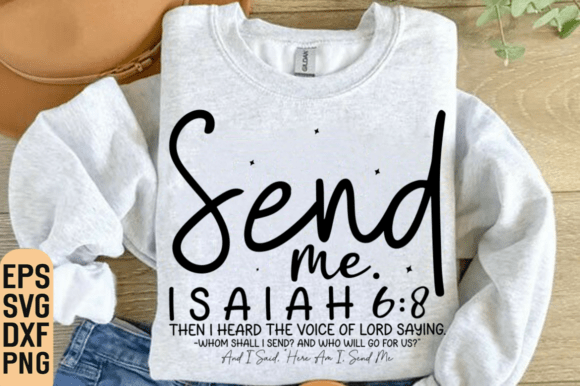
The moment I looked at the layout, I recognized the energy. This design has a bold, declarative presence. The phrase itself reads like a statement of faith mixed with personal anticipation, and visually it lands somewhere between a heartfelt message and a conversation starter. The lettering appears clean and readable, which is the first thing I check when I evaluate an embroidery file for commercial use. If the text is crowded or the spacing is off, you will fight with it from the digitizing stage all the way to the finished product. That is not the case here. The composition gives each word room to breathe, and the overall shape sits well within a standard hoop range, which makes it practical for both small-batch production and one-off custom orders.
What I appreciate most from a design perspective is that Send Me Svg, Your 41 is Coming Svg,Jesus does not rely on excessive ornamentation. It trusts the message to carry the weight. That kind of restraint is valuable when you are working with embroidery, because every extra detail you add increases stitch count, density, and the risk of distortion on certain fabrics. This design keeps it simple without feeling plain. It has character.
Reading the Room: Where This Design Feels Most at Home
I immediately started thinking about which products in my own shop would benefit from this design. The first thing that came to mind was a custom tote bag. Tote bags are forgiving for new embroiderers and profitable for small business owners because they require minimal material investment and appeal to a wide range of customers. A design like this, with its clear lettering and personal tone, works beautifully on a sturdy cotton tote. I can see a customer ordering it as a birthday gift for someone turning 41, or as a piece of faith-based merchandise that feels modern rather than overly formal.
Beyond tote bags, I see strong potential for sweatshirt embroidery. Sweatshirts are a staple in any apparel decorator's lineup, and this design sits naturally on the front left chest or centered on the back. The relaxed vibe of a sweatshirt matches the casual confidence of the wording. I also think it would translate well into embroidered patches. A patch version of this design could be sold as a standalone product or applied to jackets, backpacks, and hats. For Etsy sellers and handmade shop owners, patches are a low-risk way to test a design's popularity before committing to a full apparel run.
Other products that come to mind include pillow covers, kitchen towels for a faith-inspired home line, and baby embroidery projects if the 41 is tied to a family milestone like a parent's age or a special anniversary. The design is flexible enough to move across categories without losing its identity.
From Digital File to Stitched Reality
Let me be honest about something I tell every new crafter and small business owner who asks for my advice: the way a design looks on your screen is not the way it will look after stitching. That gap between digital promise and stitched reality is where most projects succeed or fail. With Send Me Svg, Your 41 is Coming Svg,Jesus, the transition is smoother than average because the design respects the limitations of thread and fabric.
The file comes as part of a standard digital package, including an SVG, a high-resolution PNG with a transparent background, a DXF, and an EPS. That is a solid set of design assets for anyone working across multiple platforms. If you are using it for machine embroidery, you will need to convert the SVG or PNG into your specific embroidery file format, such as PES, DST, or JEF, depending on your machine. This is an important step that I always remind buyers to plan for. The design itself is not an embroidery file out of the box, but a digital embroidery file ready for conversion and digitizing.
When I mock up a design for stitching, I pay close attention to stitch density and thread color contrast. A design like this, with bold lettering, benefits from a satin stitch or a fill stitch for the main text, depending on what look you want. The open spacing means the digitizer will have room to set proper pull compensation, which reduces the chance of distorted letters on stretchy fabrics like jersey knit T-shirts. If you are working with dark fabric, choose a thread color that pops, such as white, gold, or a bright pastel. For light fabrics, a dark navy or deep red creates strong contrast without feeling aggressive.
Real Case: A Custom Tote Bag Project
Last week, I put this design through a real project test. A repeat customer asked me to create a custom embroidered tote bag for her brother's 41st birthday. She wanted something personal, meaningful, and a little unexpected. I suggested Send Me Svg, Your 41 is Coming Svg,Jesus because it fit the milestone and the tone she described. We settled on a natural cotton tote with a dark gray thread color. The design centered on the front panel, about four inches wide, which gave the text a strong presence without overwhelming the bag.
I tested the design on scrap fabric first, which is a habit I recommend to every Etsy seller and creative entrepreneur who reads my reviews. The test stitch went smoothly. The letters held their shape, the spacing remained consistent, and there was no puckering along the edges. I used a medium-weight cutaway stabilizer to support the fabric, and I made sure the hoop was snug but not tight. The final product looked clean, professional, and exactly like the mockup I had shown the customer. She loved it, and I was able to turn it around quickly because the design did not fight me at any stage.
That is the kind of experience I value as a designer. When a file works well from the first test to the final stitch, it saves me time, reduces material waste, and helps me deliver a handmade product that feels worth the price.
Where to Exercise Caution with This Design
No design is perfect for every application, and I want to be upfront about where this one requires careful handling. Because the design features text, it is sensitive to fabric distortion. On very stretchy fabrics, such as lightweight jersey or ribbed knits, you may need extra stabilization to prevent the letters from warping. I recommend using a tear-away or cutaway stabilizer depending on the fabric weight, and always testing on a scrap piece before stitching the final product.
If you are working with small hoop sizes, such as a 4x4 hoop, check the design's dimensions before digitizing. The full phrase may need to be scaled down, and at smaller sizes the text could become less readable. For cap embroidery or curved surfaces like hats and beanies, this design may need to be split or repositioned because curved surfaces do not handle long horizontal text well without puckering at the edges. I would avoid placing this design on the front of a cap unless it is significantly shortened or broken into two lines.
For products that require frequent washing, such as kitchen towels, baby bibs, or activewear, choose high-quality thread and a stable fabric base. Repeated washing can cause thread breakage or fabric distortion if the design is too dense or the stabilizer is not suited to the end use. Always consider the care instructions your customer will follow.
Practical Designer Notes Before You Stitch
Here are the notes I keep on my workbench whenever I plan a project with this design:
- Test on scrap fabric first with your chosen thread colors and stabilizer. Do not skip this step, even if you are in a rush to fulfill an order.
- Check thread color contrast against both light and dark fabric backgrounds. A mockup or printable mockup can help, but nothing replaces a real stitch test.
- Confirm your hoop size can accommodate the full design at your desired scale. If you are unsure, err on the side of a larger hoop and center the design carefully.
- Review stitch density after digitizing. If the design feels too dense in certain areas, adjust the underlay or switch from a fill stitch to a satin stitch for thinner elements.
- Use proper stabilizer for the fabric type. Medium-weight cutaway works well for most cotton and poly-cotton blends. For stretchy fabrics, consider a no-show mesh stabilizer.
- Check the licensing terms before selling finished items or digital products. Since this is listed under T-Shirt Designs, confirm whether commercial use is permitted and whether attribution is required. If the terms are not clearly stated in the product description, reach out to the seller before listing your finished products.
- If you plan to use this design for applique design, consider converting the text into separate fabric layers. This can add visual depth and reduce thread usage, but it requires careful cutting and placement.
These steps may sound basic, but I have seen experienced crafters skip them and end up with wasted fabric, broken needles, or disappointed customers. A little preparation goes a long way, especially when you are building a craft business or scaling a small shop product line.
Final Thoughts on Value and Versatility
After evaluating Send Me Svg, Your 41 is Coming Svg,Jesus from multiple angles, I can say it is a solid addition to any apparel decorator's library. It brings a personal, faith-infused message that resonates with a specific audience, and its clean layout makes it practical for real embroidery work. Whether you are making a one-of-a-kind personalized gift for a family member or building an inventory of custom apparel for your Etsy shop, this design holds up under the demands of production.
I would not classify it as a universal bestseller, because its appeal is tied to a particular sentiment and milestone. But for the right customer, it feels tailor-made. That kind of specificity is exactly what small business owners need to stand out in a crowded marketplace. When you offer designs that speak directly to someone's life, faith, or sense of humor, you are not just selling a product. You are offering a meaningful object that people want to wear, carry, and give to the people they love.
If you are a hobbyist looking for a weekend project or a creative entrepreneur planning your next product launch, I recommend giving this design a test run. Start with a single tote bag or a sweatshirt, and see how it feels in your hands after the last stitch. That is where the real value shows up, not in the preview window, but in the finished product you hand to a customer.